Nalanda Gedige
Nalanda Gedige
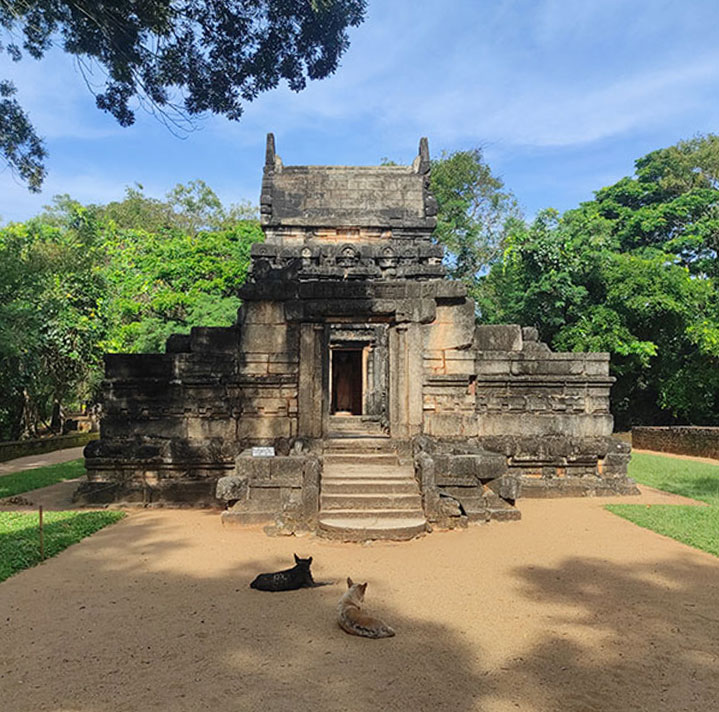
Nalanda Gedige is one of Sri Lanka’s most enigmatic archaeological treasures, standing as a unique bridge between disparate religious and cultural worlds. Located near Matale, approximately 20km north of the Aluvihara Temple, this 8th-to-10th-century edifice is famous for being the only ancient structure on the island built entirely of crystalline limestone.
The "Abu Simbel" of Sri Lanka
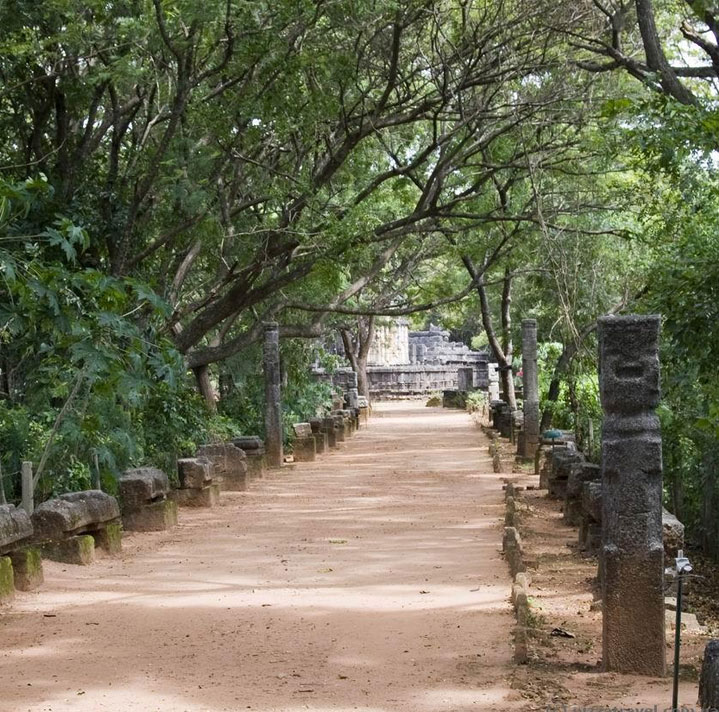
In a feat often compared to the relocation of Egypt's Abu Simbel, Nalanda Gedige was painstakingly dismantled and moved in the 1980s. The original site, situated in a low-lying paddy field, was threatened with submersion by the waters of the newly constructed Bowatenne Reservoir. To save the monument, archeologists numbered and moved over 10,000 stones, reassembling them on a higher retaining wall that now sits picturesquely beside the tank, accessible via a flower-edged causeway.
A Fusion of Faiths and Styles
The temple's primary allure lies in its architectural syncretism. It defies singular categorization, blending Buddhist, Hindu, Sinhalese, and Tamil elements so seamlessly that it is often called a "muddled mongrel" by early scholars.
- Hindu Influence: The structure follows the lines of a classic South Indian Hindu temple (specifically the Pallava style), featuring a mandapa (columned hall), a vestibule, and a windowless inner shrine.
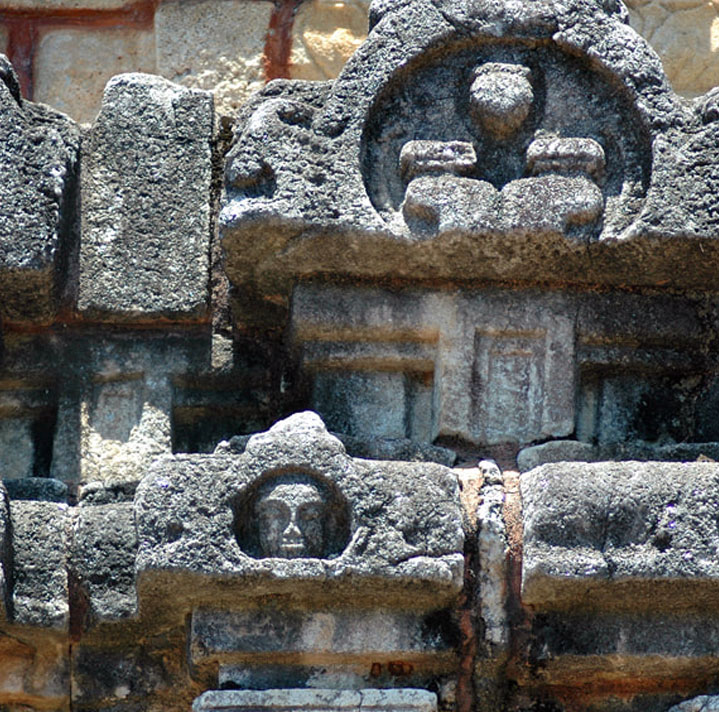
- Buddhist Influence: Despite its Hindu exterior, the ground plan is Buddhist, and the inner sanctum houses a standing Buddha statue. Scholars believe it was used by practitioners of Mahayana or Vajrayana (Tantric) Buddhism, evidenced by erotic carvings on the walls that are rare in traditional Theravada art.
- Decorative Motifs: You can find intricate carvings of Kuvera (the god of wealth) on the southern section—a feature unique to Sri Lanka—alongside depictions of lions, dwarfs, and mythical makara balustrades.
The Symbolic Center
Nalanda Gedige is widely regarded as the geographical center of Sri Lanka. Historical surveys identified this area as the island's centroid, adding a layer of mystical significance to the site. Some locals even believe the location possesses lower gravity or "high cosmic energy," though these claims remain part of the site’s enduring folklore.
Visiting in 2026
For travelers in 2026, the site remains a serene, lesser-known alternative to the crowded nearby ruins of Sigiriya or Dambulla.
- How to Get There: It is located about 1km east of the main A9 road between Kandy and Dambulla.
- Best Time: Early morning or late afternoon provides the best light for photography and cooler temperatures.
- Attire: As it is a functioning religious site, modest attire is required, and shoes must be removed before entering the inner sanctum.
- Museum: A small museum near the entrance displays artifacts and provides context on the temple's remarkable relocation process.
Gallery
Previous Rafting Tour experiences with our guests